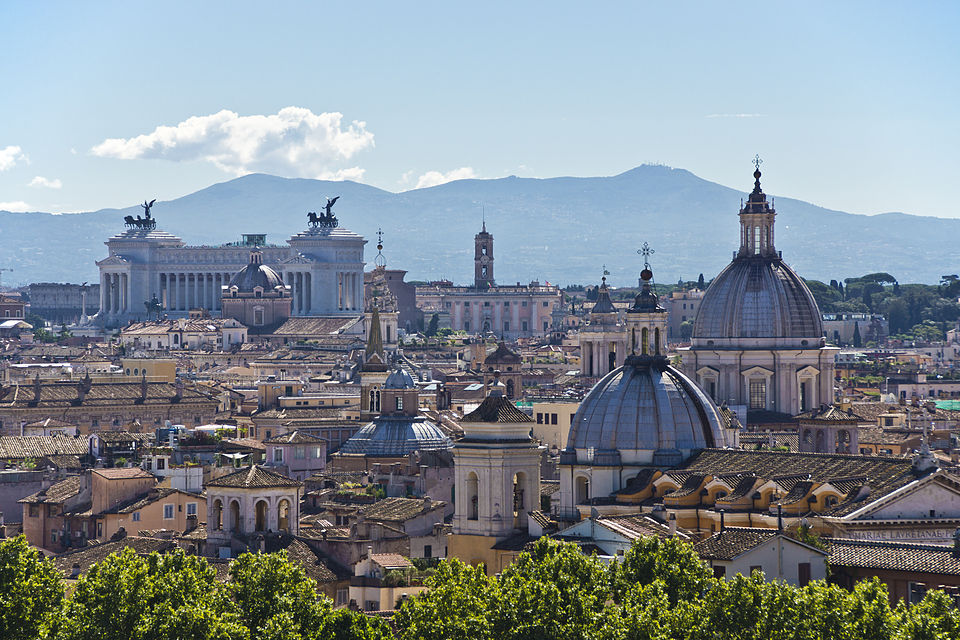
Rome (Italian and Latin: Roma, pronounced [ˈroːma] ) is the capital city and most populated comune (municipality) of Italy. It is also the administrative centre of the Lazio region and of the Metropolitan City of Rome. A special comune named Roma Capitale with 2,746,984 residents in 1,285 km2 (496.1 sq mi), Rome is the third most populous city in the European Union by population within city limits. The Metropolitan City of Rome Capital, with a population of 4,223,885 residents, is the most populous metropolitan city in Italy. Its metropolitan area is the third-most populous within Italy. Rome is located in the central-western portion of the Italian Peninsula, within Lazio (Latium), along the shores of the Tiber Valley. Vatican City (the smallest country in the world and headquarters of the worldwide Catholic Church under the governance of the Holy See) is an independent country inside the city boundaries of Rome, the only existing example of a country within a city. Rome is often referred to as the City of Seven Hills due to its geography, and also as the "Eternal City". Rome is generally considered to be one of the cradles of Western civilization and Western Christian culture, and the centre of the Catholic Church.
Rome's history spans 28 centuries. While Roman mythology dates the founding of Rome at around 753 BC, the site has been inhabited for much longer, making it a major human settlement for over three millennia and one of the oldest continuously occupied cities in Europe. The city's early population originated from a mix of Latins, Etruscans, and Sabines. Eventually, the city successively became the capital of the Roman Kingdom, the Roman Republic and the Roman Empire, and is regarded by many as the first-ever Imperial city and metropolis. It was first called The Eternal City (Latin: Urbs Aeterna; Italian: La Città Eterna) by the Roman poet Tibullus in the 1st century BC, and the expression was also taken up by Ovid, Virgil, and Livy. Rome is also called Caput Mundi (Capital of the World).
After the fall of the Empire in the west, which marked the beginning of the Middle Ages, Rome slowly fell under the political control of the Papacy, and in the 8th century, it became the capital of the Papal States, which lasted until 1870. Beginning with the Renaissance, almost all popes since Nicholas V (1447–1455) pursued a coherent architectural and urban programme over four hundred years, aimed at making the city the artistic and cultural centre of the world. In this way, Rome first became one of the major centres of the Renaissance and then became the birthplace of both the Baroque style and Neoclassicism. Famous artists, painters, sculptors, and architects made Rome the centre of their activity, creating masterpieces throughout the city. In 1871, Rome became the capital of the Kingdom of Italy, which, in 1946, became the Italian Republic.
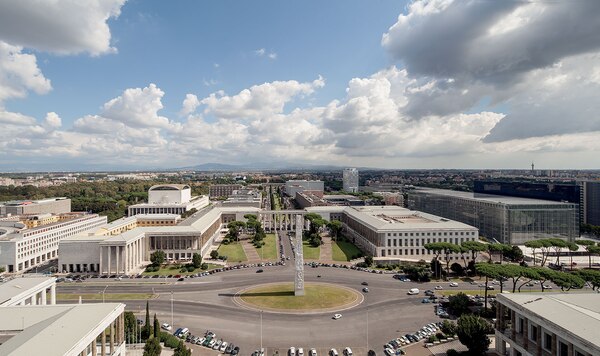
In 2019, Rome was the 14th most visited city in the world, with 8.6 million tourists, the third most visited city in the European Union, and the most popular tourist destination in Italy. Its historic centre is listed by UNESCO as a World Heritage Site. The host city for the 1960 Summer Olympics, Rome is also the seat of several specialised agencies of the United Nations, such as the Food and Agriculture Organization, World Food Programme, International Fund for Agricultural Development and UN System Network on Rural Development and Food Security. The city also hosts the European Union (EU) Delegation to the United Nations (UN), Secretariat of the Parliamentary Assembly of the Union for the Mediterranean, headquarters of the World Farmers' Organisation, multi-country office of the United Nations High Commissioner for Refugees, Human Resources Office for International Cooperation of the United Nations Department of Economic and Social Affairs, headquarters of the International Labour Organization Office for Italy, headquarters of the WORLD BANK GROUP for Italy, Office for Technology Promotion and Investment in Italy under the United Nations Industrial Development Organization, Rome office of the United Nations Interregional Crime and Justice Research Institute, and support office of the United Nations Humanitarian Response Depot, as well as the headquarters of several Italian multinational companies such as Eni, Enel, TIM, Leonardo, and banks such as BNL. Numerous companies are based within Rome's EUR business district, such as the luxury fashion house Fendi located in the Palazzo della Civiltà Italiana. The presence of renowned international brands in the city has made Rome an important centre of fashion and design, and the Cinecittà Studios have been the set of many Academy Award–winning movies.
Places to Explore
Curated experiences in Roma
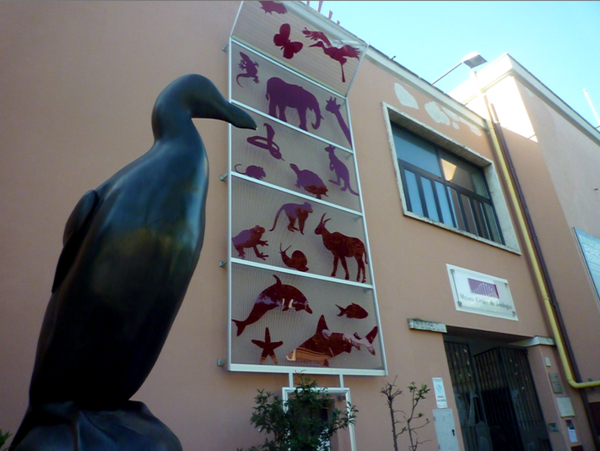
Museo Civico di Zoologia
The Museo Civico di Zoologia is a natural history museum in Rome, central Italy. It is situated next to the …
Museo delle Civiltà - Sezione Arti e tradizioni popolari
The Museo delle Civiltà (Italian for 'Museum of Civilisations') is an Italian state museum in the EUR district of Rome.
Museo delle Civiltà
The Museo delle Civiltà (Italian for 'Museum of Civilisations') is an Italian state museum in the EUR district of Rome.
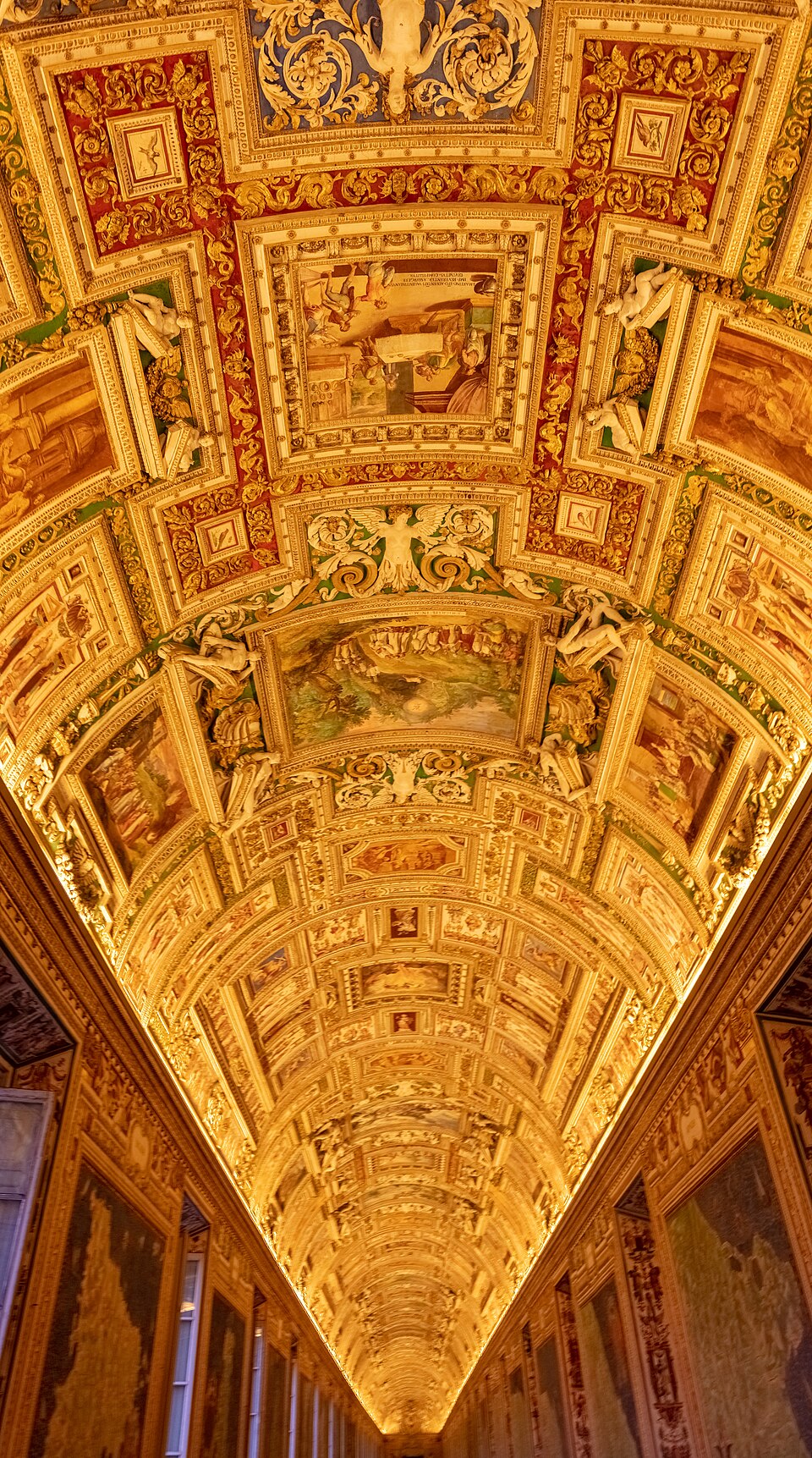
Galleria delle Carte Geografiche
The Gallery of Maps (Italian: Galleria delle carte geografiche) is a gallery located on the west side of the Belvedere …
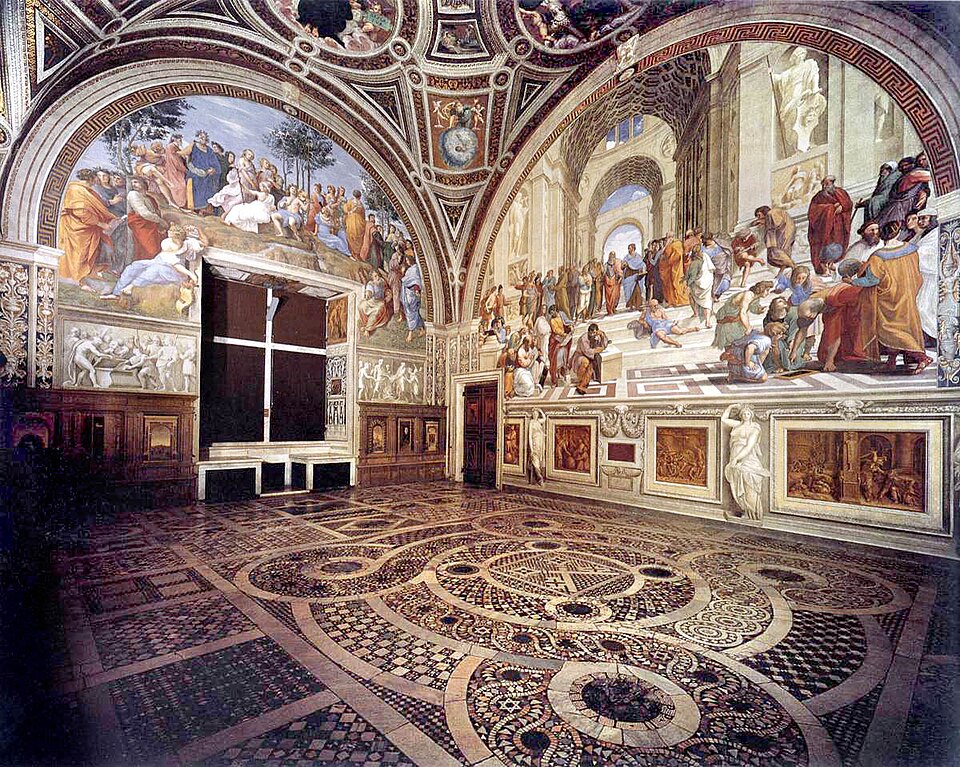
Stanze di Raffaello
The four Raphael Rooms (Italian: Stanze di Raffaello) form a suite of reception rooms in the Apostolic Palace, now part …
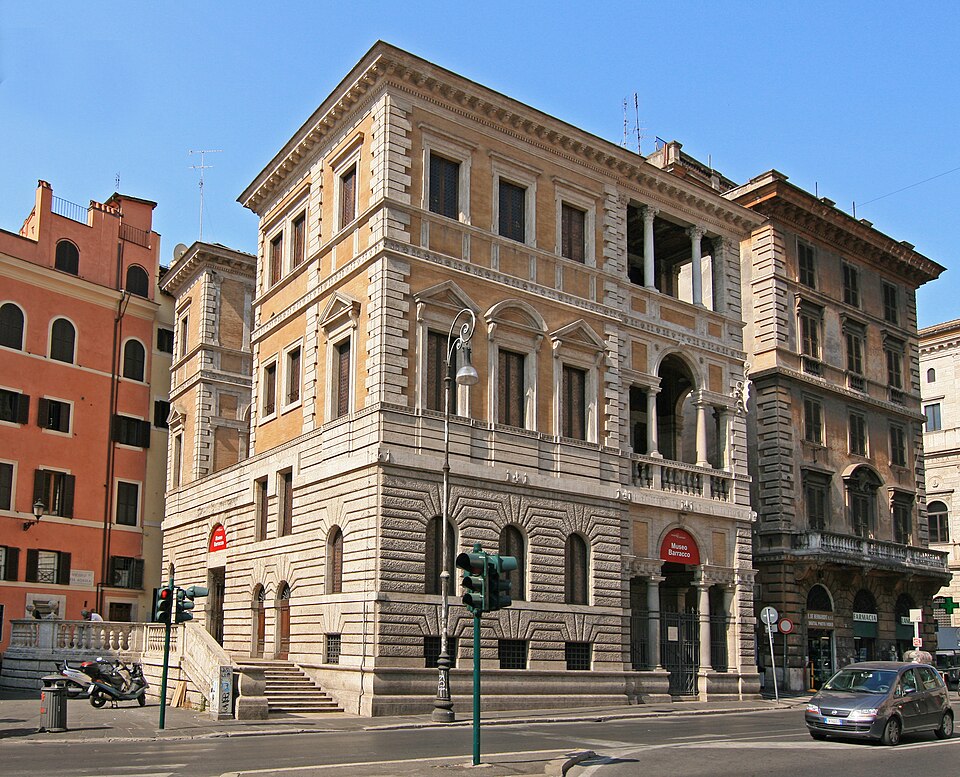
Museo di scultura antica Giovanni Barracco
The Museo di Scultura Antica Giovanni Barracco (English: Giovanni Barracco Museum of Antique Sculpture) is a museum in Rome that …
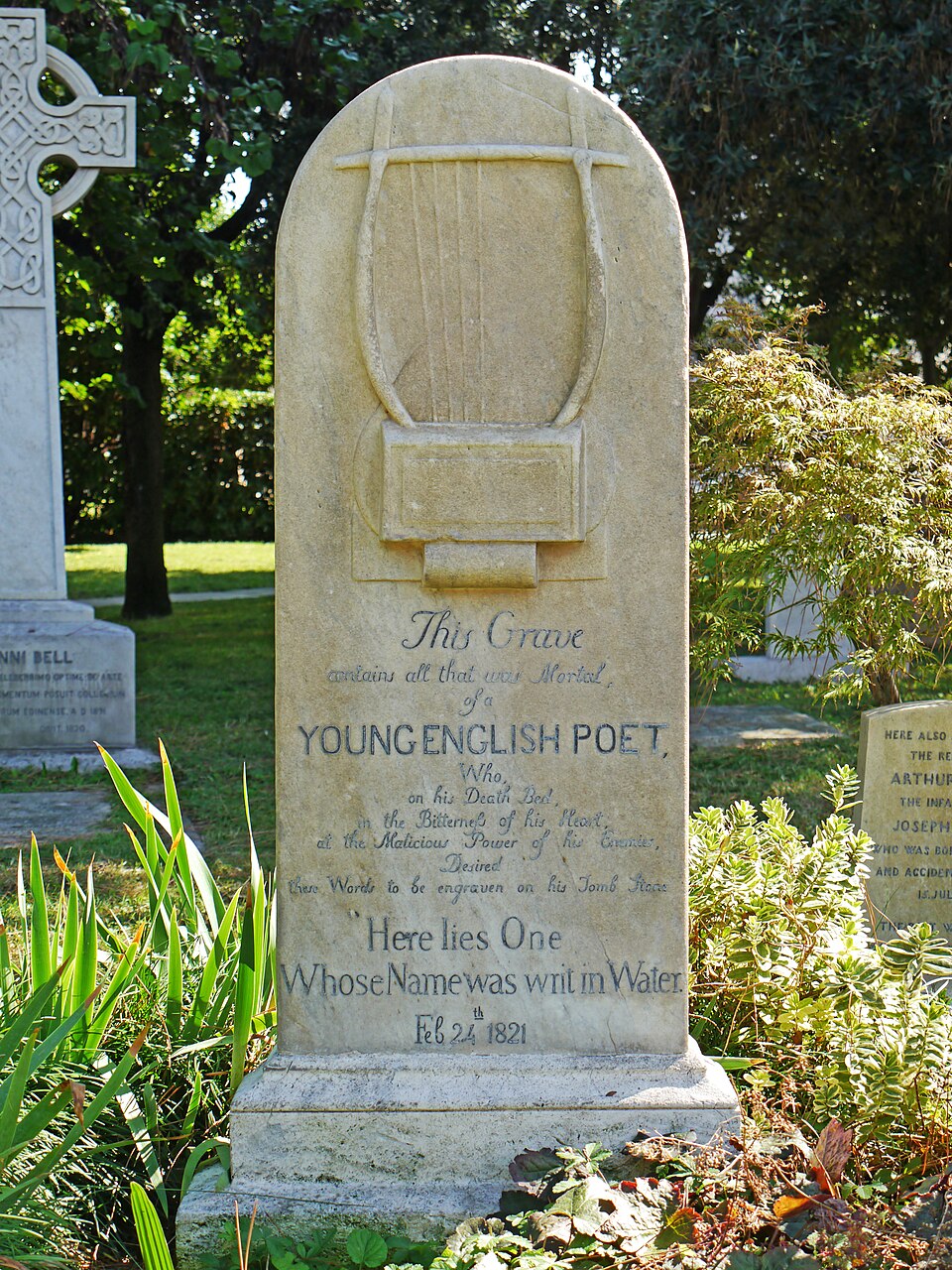
John Keats
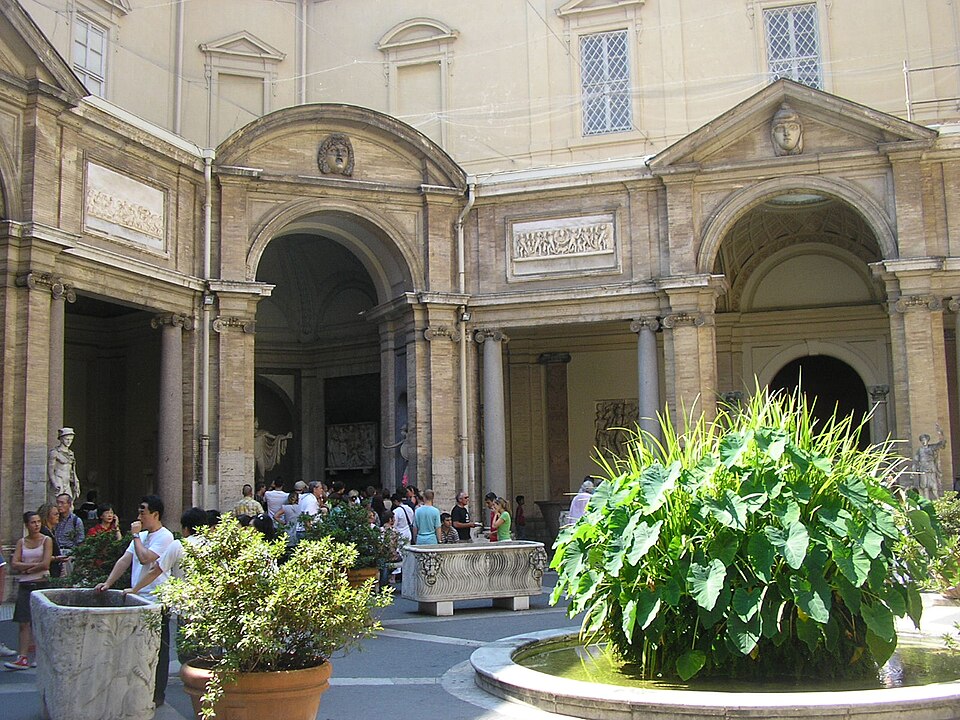
Museo Pio Clementino
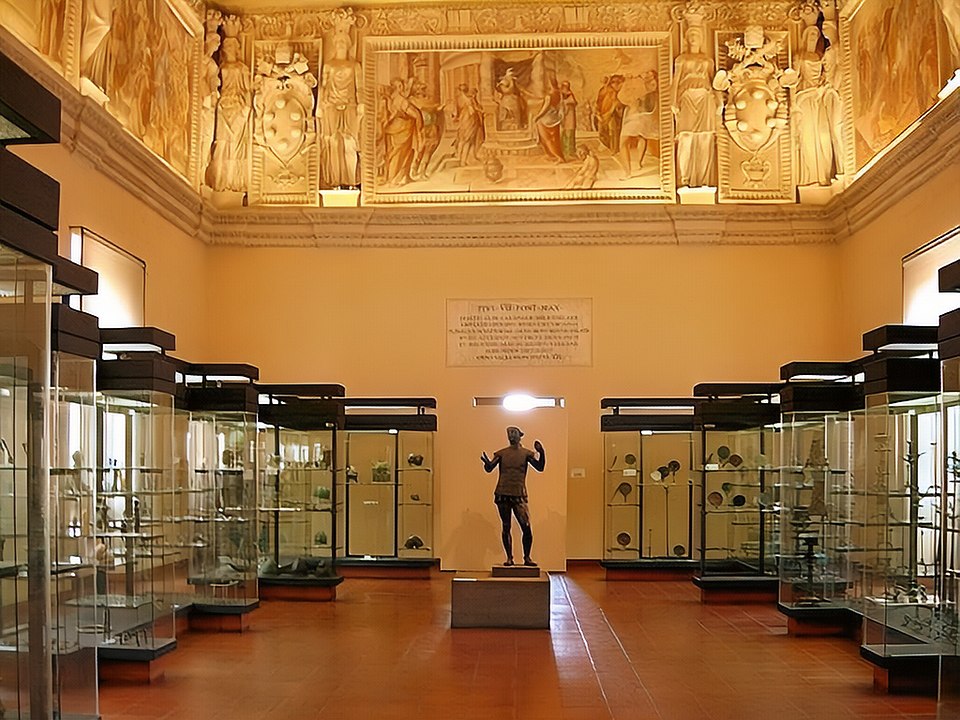
Museo Gregoriano Etrusco
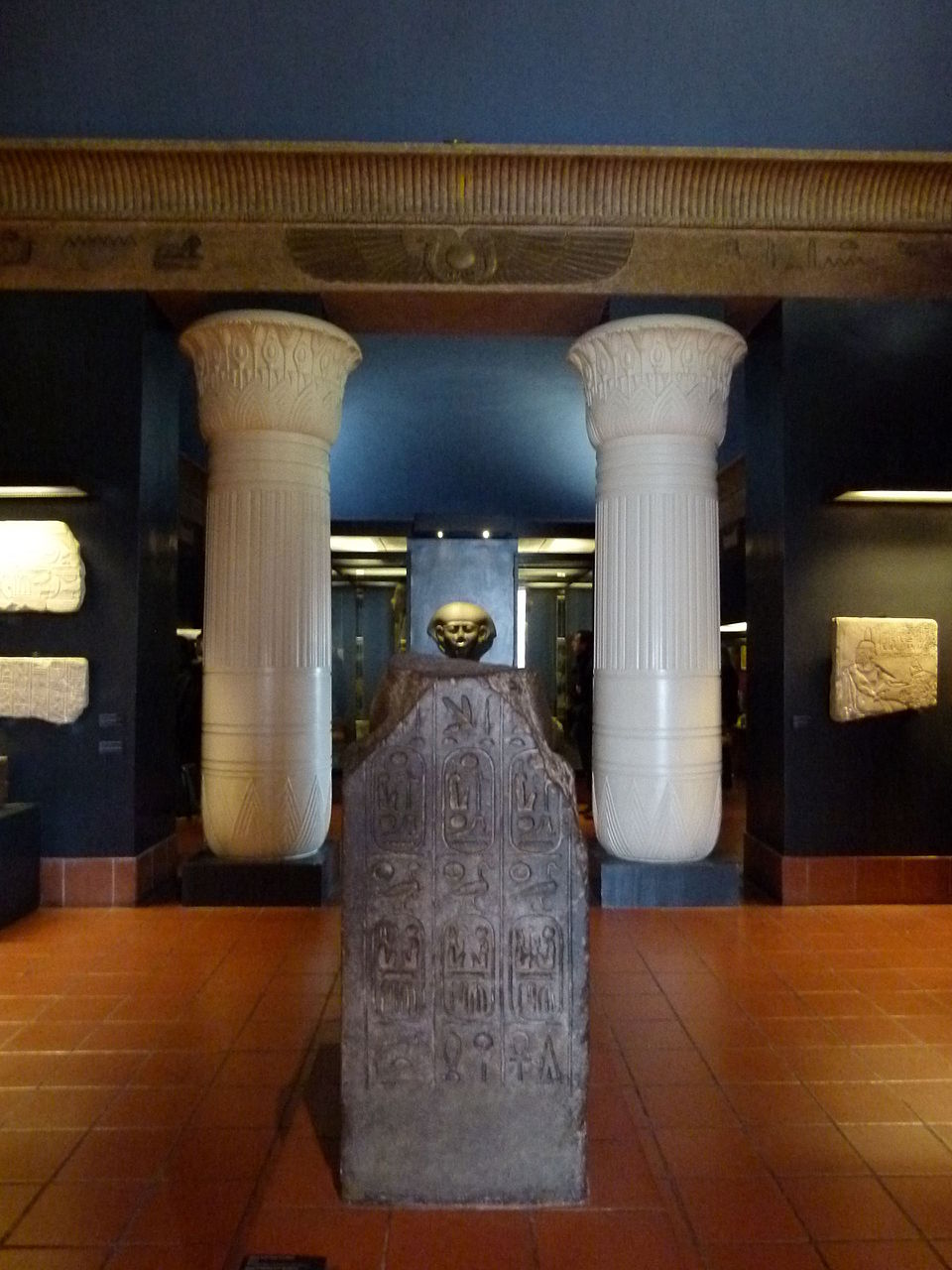
Museo Gregoriano Egizio
Museo Chiaramonti
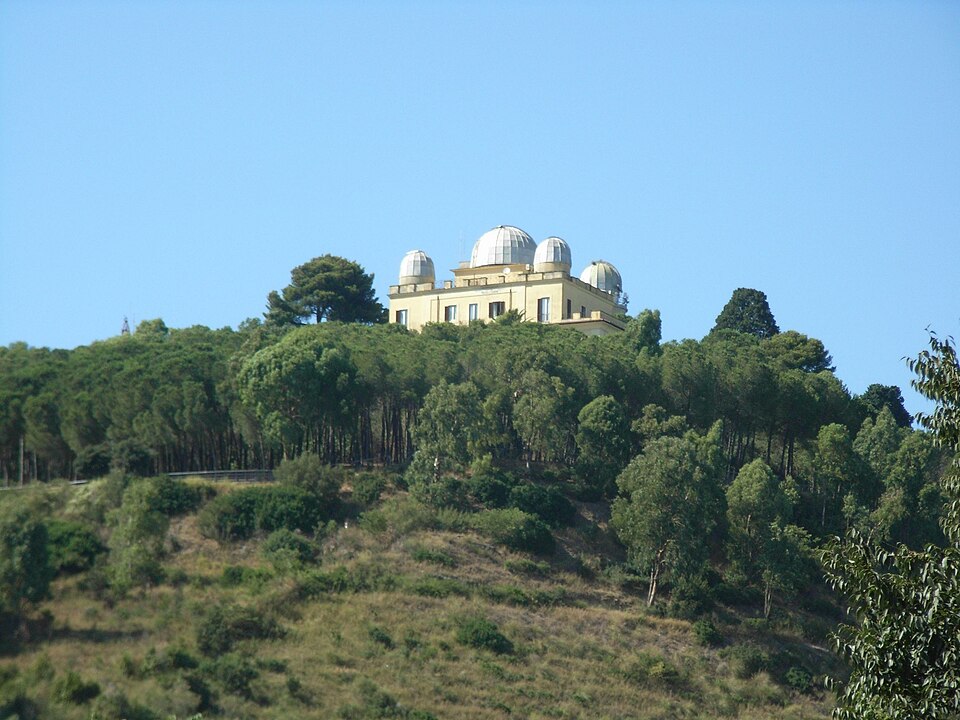
Museo astronomico e copernicano
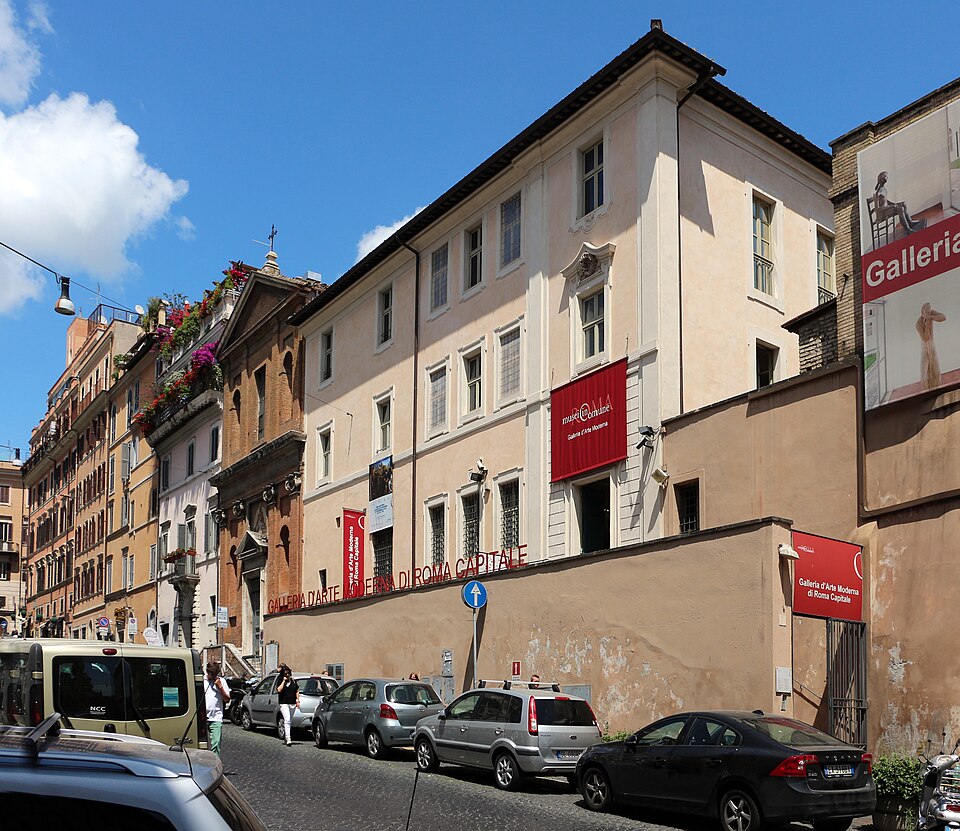
Galleria d'Arte Moderna
The Galleria Comunale d'Arte Moderna is the museum of modern and contemporary art of the city of Rome, Italy. It …
Museo della Repubblica Romana e della memoria garibaldina
Museo della zecca di Roma
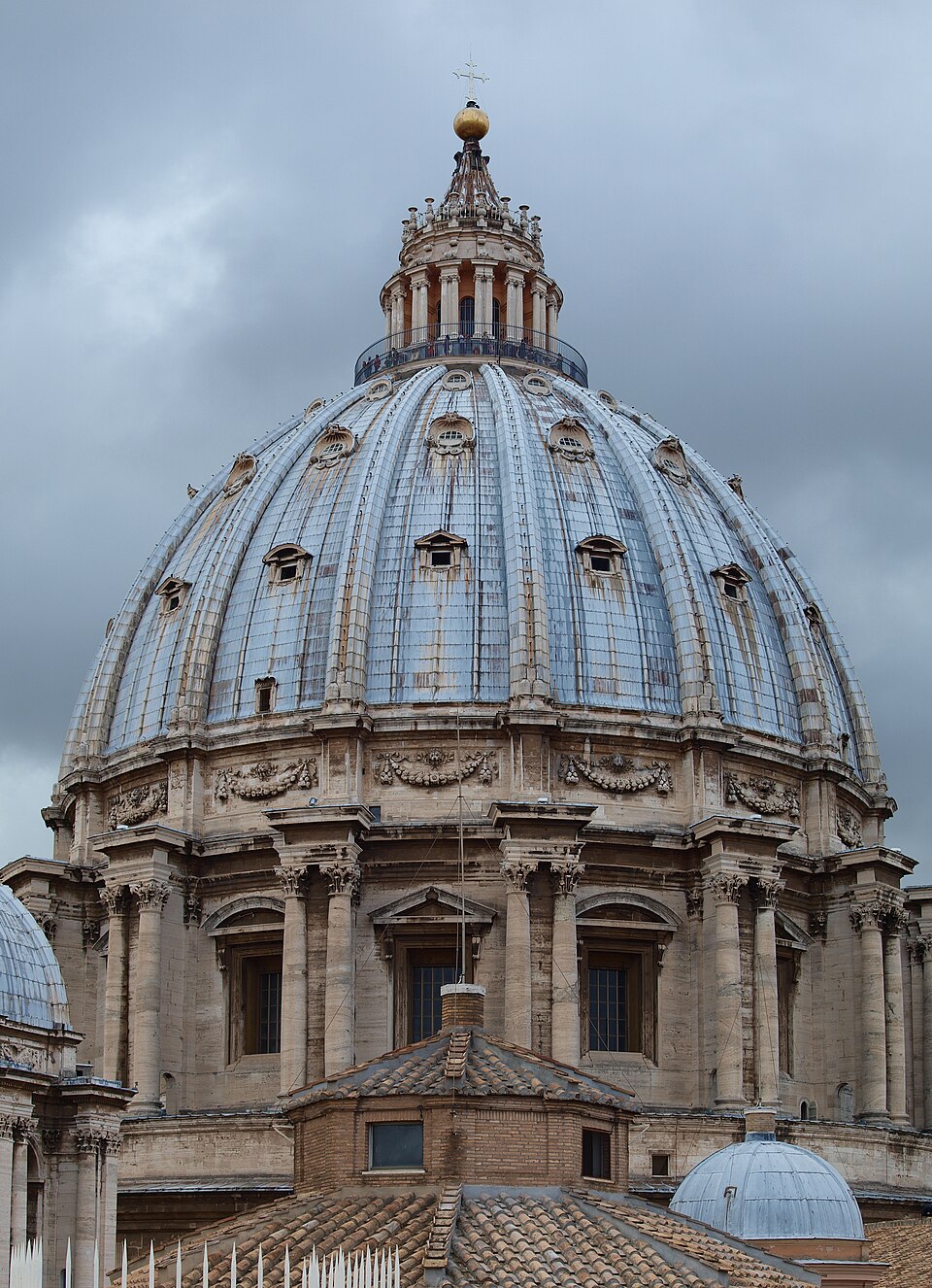
Cupola di San Pietro
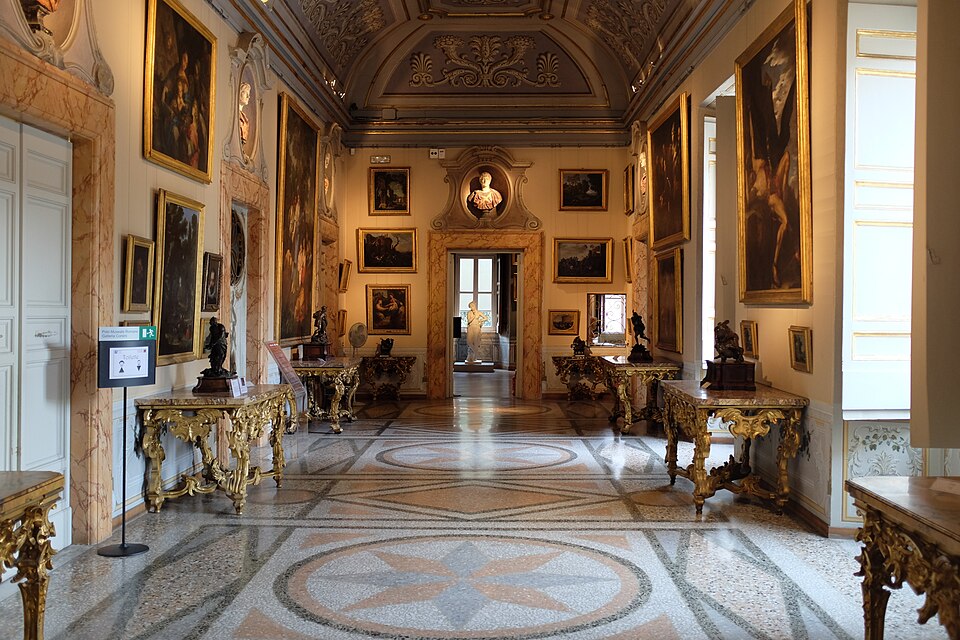
Galleria nazionale d'arte antica di palazzo Corsini
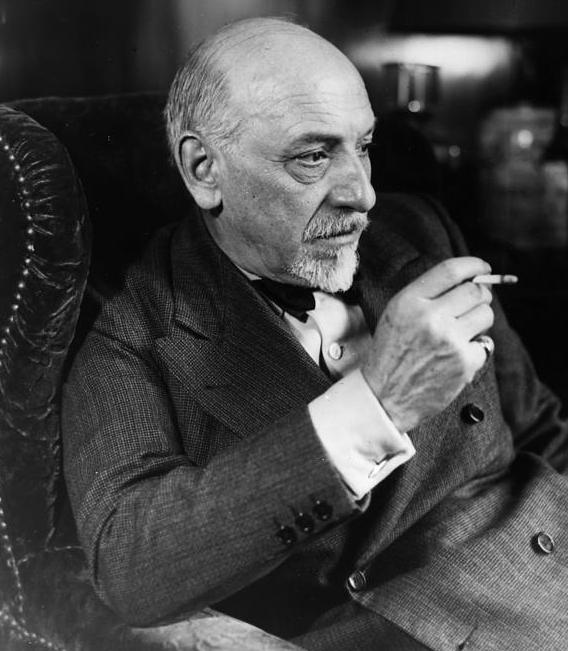
Casa Museo di Luigi Pirandello, archivio e biblioteca
Domus Romane di Palazzo Valentini
Palazzo Valentini is a palace in central Rome, Italy, not far from Piazza Venezia. Since 1873 it has been the …
Cloaca Máxima
The Cloaca Maxima (Latin: Cloāca Maxima [kɫɔˈaːka ˈmaksɪma], lit. 'Greatest Drainage') as it was originally built to drain the rain …