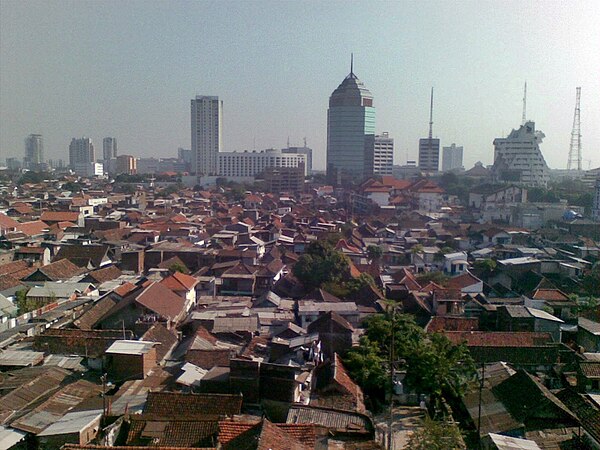
Surabaya is the capital city of East Java province and the second-largest city in Indonesia, after Jakarta. Located on the northeastern corner of Java island, on the Madura Strait, it is one of the earliest port cities in Southeast Asia. According to the National Development Planning Agency, Surabaya is one of the four main central cities of Indonesia, alongside Jakarta, Medan, and Makassar. The city had a population of 2,874,314 within its city limits at the 2020 census. With 3,009,286 people living in the city as of mid 2023 (comprising 1,490,358 males and 1,518,928 females)
and over 10 million in the extended Surabaya metropolitan area, according to the latest official estimate, Surabaya is the second-largest metropolitan area in Indonesia. Surabaya metropolitan is also ASEAN's 6th largest economy ahead of Hanoi. In 2023, the city's GRP PPP was estimated at US$150.294 billion.
The city was settled in the 10th century by the Kingdom of Janggala, one of the two Javanese kingdoms that was formed in 1045 when Airlangga abdicated his throne in favor of his two sons. In the late 15th and 16th centuries, Surabaya grew to be a duchy, a major political and military power as well as a port in eastern Java, probably under the Majapahit empire. At that time, Surabaya was already a major trading port, owing to its location on the River Brantas delta and the trade route between Malacca and the Spice Islands via the Java Sea. During the decline of Majapahit, the lord of Surabaya resisted the rise of the Demak Sultanate and only submitted to its rule in 1530. Surabaya became independent after the death of Sultan Trenggana of Demak in 1546.
From the 18th century until the mid-20th century, Surabaya was the largest city in the Dutch East Indies and the main trading hub for the Indonesian archipelago, competing with Shanghai and Hong Kong.
Surabaya has been one of the busiest trading city ports in Asia. Principal exports from the port include sugar, tobacco, and coffee. Its rich history as a trading port has led to a strong financial infrastructure with financial institutions such as banks, insurance, and export-import companies. The economy is influenced by the recent growth in international industries and the completion of the Suramadu Bridge. The city is home to a large shipyard and numerous specialized naval schools. The Bank of Indonesia has also made plans for Surabaya to be the Islamic financial center of Indonesia.
Places to Explore
Curated experiences in Surabaya
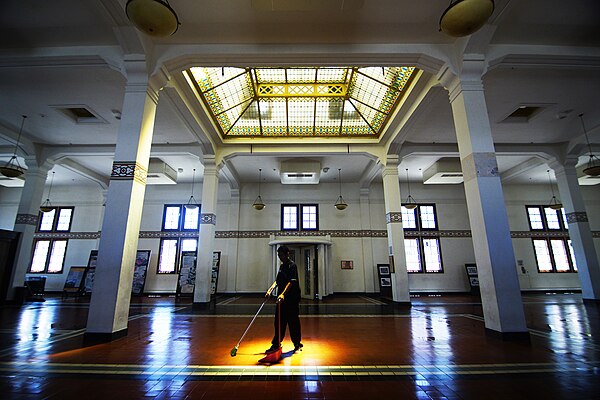
De Javasche Bank
Bank Indonesia Museum (Indonesian: Museum Bank Indonesia) is a bank museum located in Surabaya, Indonesia. It was officially founded by …
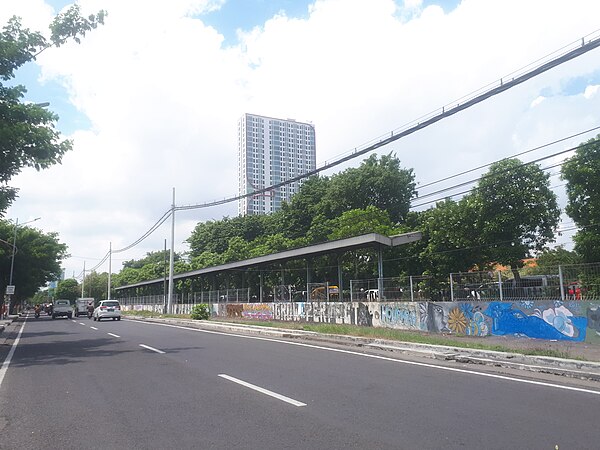
Jemursari
Jemursari Station (JMS) is an inactive railway station located on the border of Jemur Wonosari and Gayungan. This station was …
Begin Your Journey
Create a personalized itinerary and unlock the finest experiences Surabaya has to offer