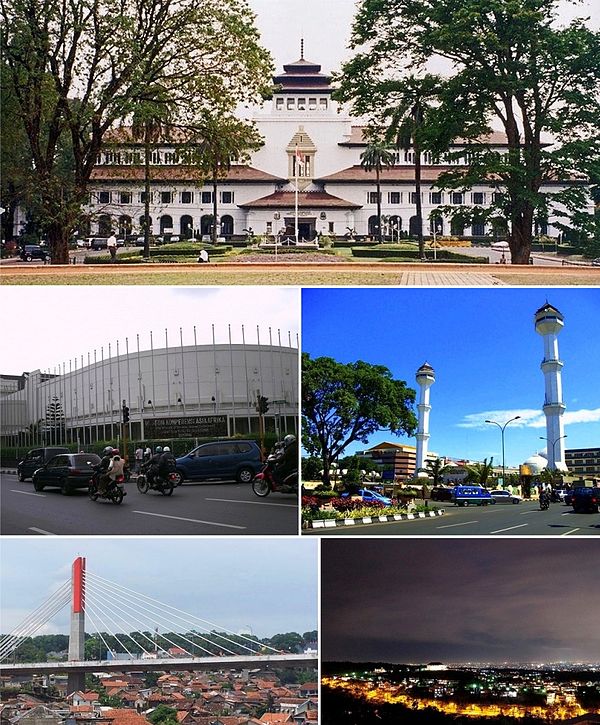
Bandung is the capital city of the West Java province of Indonesia. Located on the island of Java, the city is the third largest city in Indonesia after Jakarta and Surabaya. Greater Bandung (Bandung Basin Metropolitan Area / BBMA) is the country's second-largest and second most populous metropolitan area, with over 11 million inhabitants. Situated 768 meters (2,520 feet) above sea level (the highest point in the North area is at an altitude of 1,050 meters (3,445 feet), and the lowest in the South at 675 meters (2,215 feet) above sea level), approximately 135 kilometres (84 miles) southeast of Jakarta, Bandung has cooler year-round temperatures than most other Indonesian cities. The city lies in a river basin surrounded by volcanic mountains that provide a natural defense system, which was the primary reason for the Dutch East Indies government's plan to move the capital from Batavia (modern-day Jakarta) to Bandung.
The Dutch first established tea plantations around the mountains in the 18th century, and a road was constructed to connect the plantation area to the colonial capital Batavia (180 kilometres (112 miles) to the northwest). In the early 20th century, the Dutch inhabitants of Bandung demanded the establishment of a municipality (gemeente), which was granted in 1906, and Bandung gradually developed into a resort city for plantation owners. Luxurious hotels, restaurants, cafés, and European boutiques were opened, leading the city to be nicknamed Parijs van Java (Dutch: "The Paris of Java").
After Indonesia declared independence in 1945, the city experienced ongoing development and urbanization, transforming from an idyllic town into a dense 16,500 people/km2 (per square kilometer) metropolitan area with living space for over 8 million people. New skyscrapers, high-rise buildings, bridges, and gardens have been constructed. Natural resources have been heavily exploited, particularly by conversion of the protected upland area into highland villas and real estate. Although the city has encountered many problems (ranging from waste disposal and floods to a complicated traffic system resulting from a lack of road infrastructure), it still attracts large numbers of tourists, weekend sightseers, and migrants from other parts of Indonesia. In 2017 the city won a regional environmental sustainability award for having the cleanest air among major cities in ASEAN. The city is also known as a Smart City, leveraging technology to improve government services and social media that alert residents to issues such as floods or traffic jams. The city is part of the UNESCO Creative Cities Network, which it joined in 2015.
Bandung is Indonesia's major technology centre.
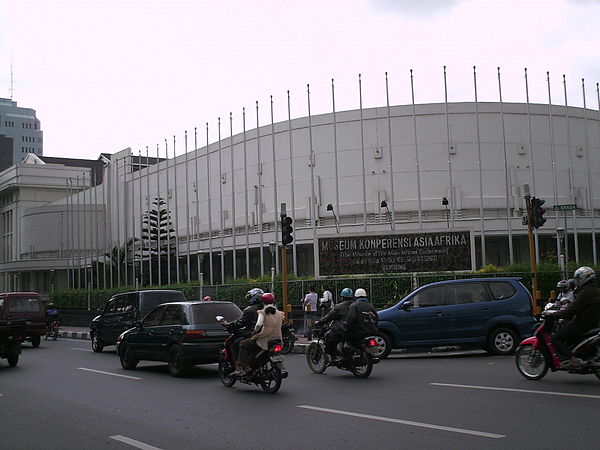
The first Asian-African Conference, the Bandung Conference, was hosted in Bandung by President Sukarno in 1955 and now decennial event. Redevelopment of the existing Husein Sastranegara International Airport (BDO) was completed in 2016. The new larger second airport for Greater Bandung Kertajati International Airport (KJT) opened in June 2018, just in time for the 2018 Asian Games.
Places to Explore
Curated experiences in Bandung
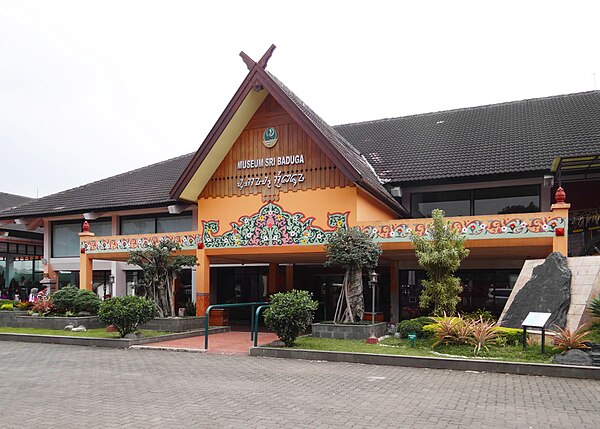
Museum Sri Baduga
Sri Baduga Museum (Indonesian Museum Sri Baduga) is a state museum located in Bandung, Indonesia. As a state museum, the …
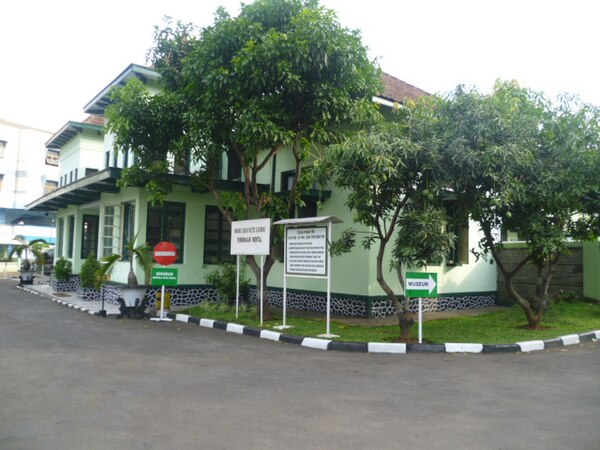
Museum Mandala Wangsit Siliwangi
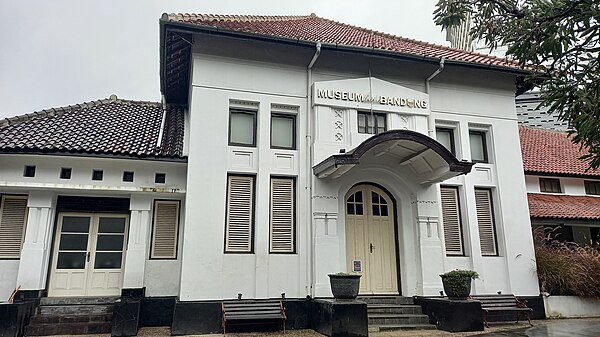
Museum Kota Bandung
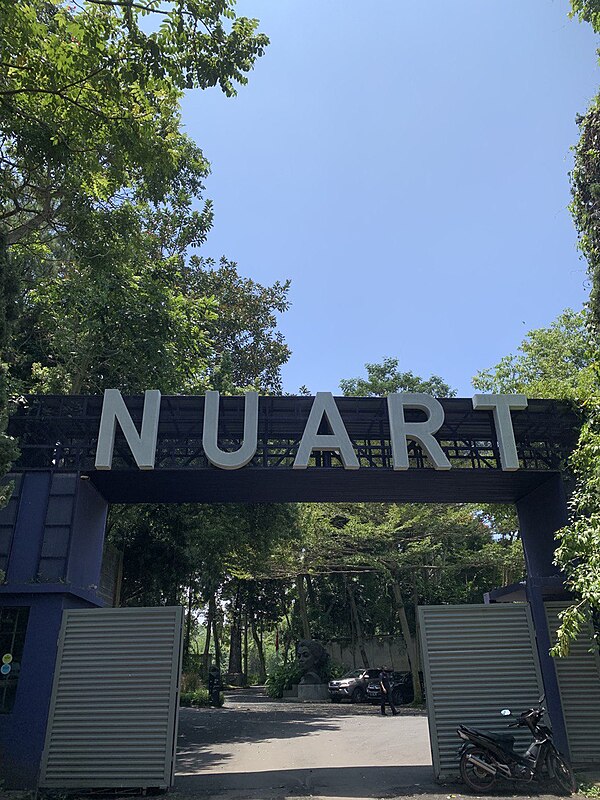
NuArt Sculpture Park
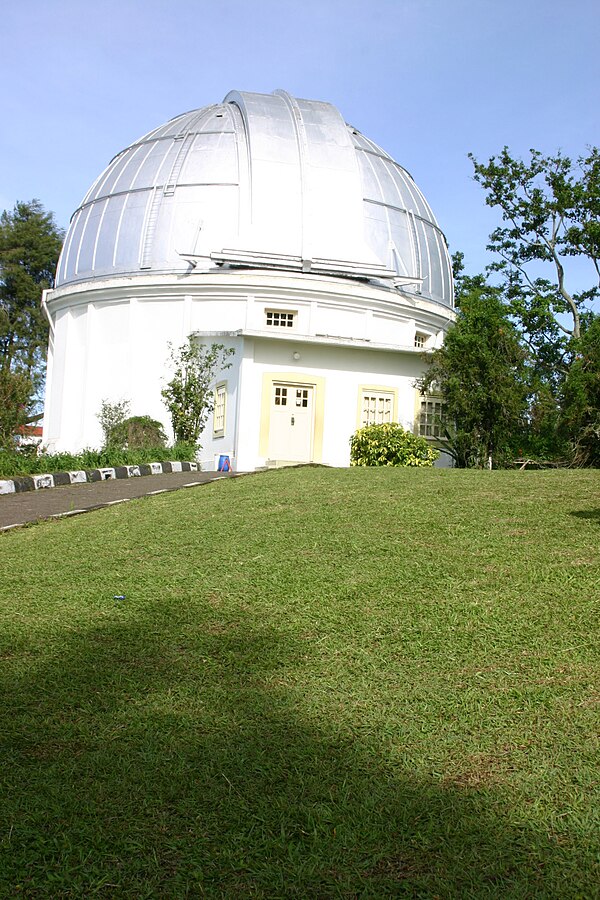
Observatorium Bosscha
Bosscha Observatory is the oldest modern observatory in Indonesia, and one of the oldest in Asia. The observatory is located …
Museum Konferensi Asia-Afrika
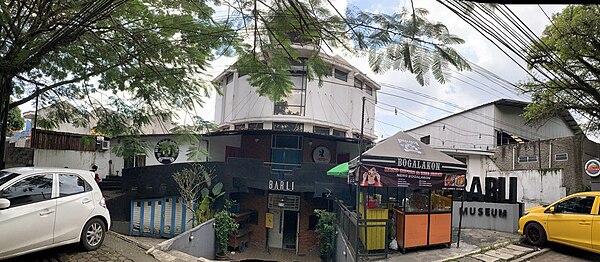
Museum Barli
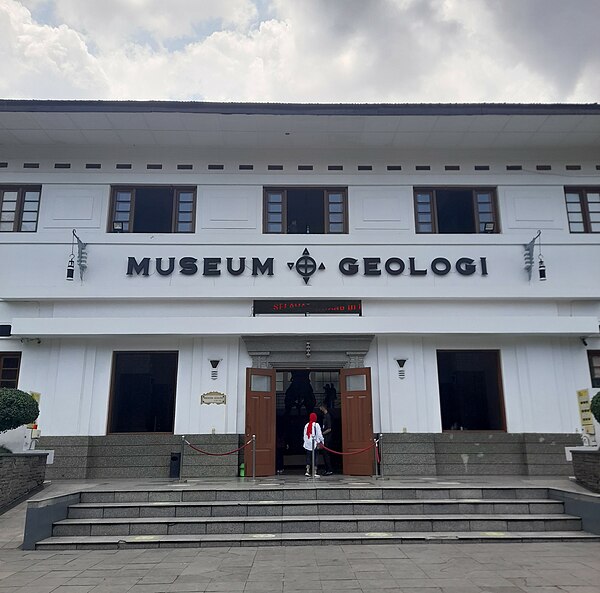
Museum Geologi
Bandung Geological Museum is a Museum in Bandung, Indonesia. The Museum was built in 1928 and inaugurated with the name …
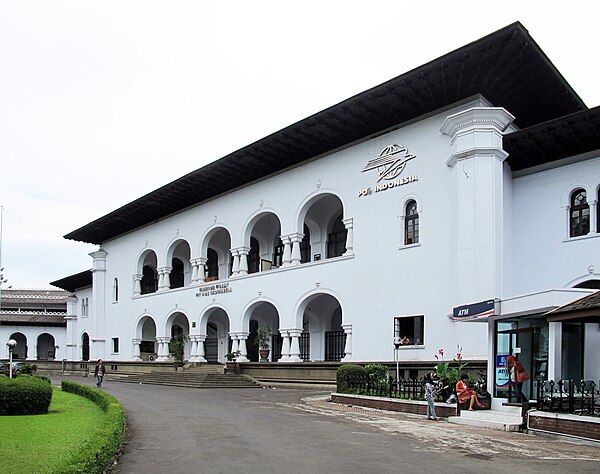
Museum Pos Indonesia
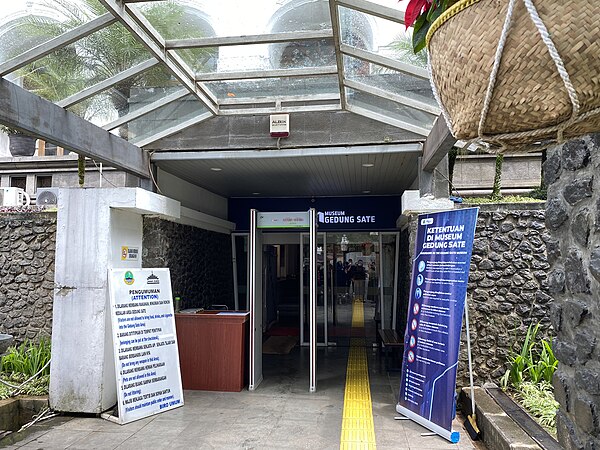
Museum Gedung Sate
Begin Your Journey
Create a personalized itinerary and unlock the finest experiences Bandung has to offer